
Uncategorized
Where Are Lost Mary Vapes Made
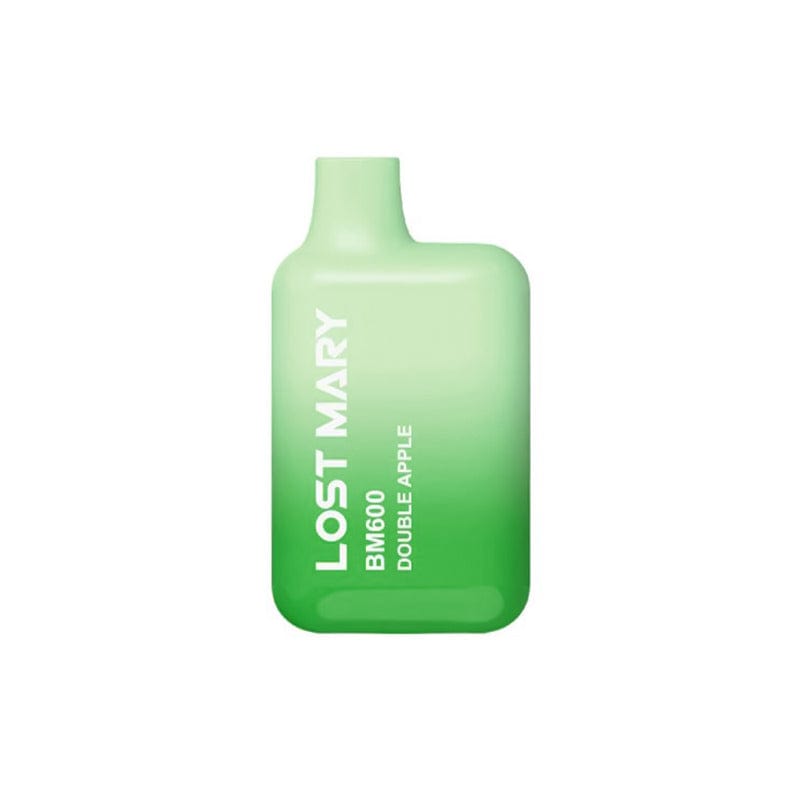
Jul
Where Are Lost Mary Vapes Made
If you’ve ever picked up a Lost Mary disposable and wondered where are Lost Mary vapes made, you’re not alone. It’s one of the most common questions UK vapers ask, especially with so many disposable brands flooding the market and varying wildly in quality. The short answer is China, specifically Shenzhen, the city that produces the overwhelming majority of the world’s vaping hardware. But there’s more to the story than a single country name, and understanding it can help you make smarter, safer buying decisions.

Where Are Lost Mary Vapes Made :The Short Answer: Shenzhen, China
Lost Mary vapes are manufactured in Shenzhen, in China’s Guangdong province, an area often nicknamed the Silicon Valley of vaping. This single city is responsible for producing the vast majority of the world’s e-cigarettes and disposable vape devices, hosting everything from battery suppliers to coil manufacturers to e-liquid formulators within a tightly connected supply chain. That concentration of expertise is exactly why so many recognisable vape brands, not just Lost Mary, trace their production back to this one region.
Where Are Lost Mary Vapes Made
Specifically, Lost Mary devices are produced by Shenzhen iMiracle Technology Co., Ltd, a manufacturer that also produces the hugely popular Elf Bar range. This isn’t a coincidence or a rumour; the two brands are closely linked, sharing a parent company and, in some cases, similar coil technology and flavour development teams. Some early Lost Mary packaging even carried the words “Designed by Elf Bar,” which gives a clear indication of how intertwined the two brands’ production really is.
Who Actually Makes Lost Mary Vapes?
Beyond the factory location, it helps to understand the manufacturing partnerships behind the brand. Lost Mary has worked with FEWO, a vape-focused smart manufacturing plant based in Guangdong, to modernise its production lines. This partnership has focused on data-driven, highly automated manufacturing processes designed to improve consistency and reduce the kind of quality control issues that plague cheaper, less established disposable brands. Where Are Lost Mary Vapes Made
This matters more than it might seem. The disposable vape market has been flooded with copycat and counterfeit products, many manufactured in far less regulated facilities with inconsistent battery safety, leaking devices, or inaccurate nicotine labelling. Knowing that genuine Lost Mary devices come from an established, purpose-built facility with quality control processes in place gives UK buyers a way to separate authentic stock from potentially dangerous imitations. Where Are Lost Mary Vapes Made
Why Shenzhen Dominates Vape Manufacturing
It’s worth understanding why so much of the vaping world’s hardware, not just Lost Mary, comes out of this one Chinese city. Shenzhen has spent over a decade building out an entire ecosystem around electronics manufacturing, and vaping devices fit neatly into that infrastructure. Battery cells, mesh coils, plastics, microchips for battery indicators, and packaging can all be sourced within a short distance, which speeds up production and keeps costs down. Where Are Lost Mary Vapes Made
This is part of why disposable vapes have become so affordable compared to early e-cigarette devices. The efficiency of Shenzhen’s supply chain means brands can iterate quickly, releasing new flavours, larger puff-count devices, and design tweaks far faster than would be possible if manufacturing were spread across multiple countries.
What About the E-Liquid Itself?
Manufacturing location isn’t just about where the plastic shell and battery are assembled. The e-liquid inside the device matters just as much, arguably more, from a safety standpoint. Lost Mary has stated that its e-liquids are formulated to meet international standards, and for the UK market specifically, this means compliance with TPD regulations (the Tobacco Products Directive), which caps nicotine strength at 20mg/ml and limits tank capacity to 2ml for devices sold legally in Britain. Where Are Lost Mary Vapes Made
This is an important distinction for UK buyers. A device manufactured in Shenzhen isn’t inherently unsafe or non-compliant; the real question is whether the specific batch sold to you has been formulated and tested to meet UK regulatory requirements. Genuine Lost Mary stock sold through authorised UK retailers should meet these standards, which is one of the strongest reasons to avoid grey-market imports or suspiciously cheap listings from unverified sellers.
Does Manufacturing Location Affect Quality?
It’s a fair question, and the honest answer is: not necessarily, but it depends heavily on the specific factory and quality control standards in place. China’s Guangdong province is home to both extremely well-regulated, ISO-certified manufacturing plants and considerably less scrupulous operations churning out counterfeit stock. The country of origin alone doesn’t tell you much; the manufacturer and the retailer selling the product matter far more. Where Are Lost Mary Vapes Made
Lost Mary’s association with a major, established manufacturer like iMiracle Technology, combined with its collaboration with dedicated smart factories, generally puts it in the former category rather than the latter. That said, the biggest risk to UK consumers isn’t usually the legitimate Lost Mary supply chain, it’s counterfeit versions of popular flavours and devices being sold online at suspiciously low prices, often without proper TPD compliance or age verification safeguards.
How to Make Sure You’re Buying a Genuine Lost Mary Vape
Given how widespread counterfeiting has become in the disposable vape market, it’s worth taking a few simple precautions:
- Buy from established UK retailers rather than unfamiliar third-party marketplace sellers or social media adverts.
- Check for proper UK labelling, including nicotine warnings, batch codes, and TPD compliance markings.
- Be wary of prices that seem too good to be true, as counterfeit devices are often priced noticeably lower than genuine stock. Where Are Lost Mary Vapes Made
- Look for age verification at checkout, since legitimate UK retailers are legally required to confirm you’re over 18 before completing a vape purchase.
These steps won’t change where the device was physically manufactured, but they significantly reduce the chances of ending up with an unsafe, non-compliant, or fake product.
Final Thoughts
So, where are Lost Mary vapes made? The straightforward answer is Shenzhen, China, through manufacturer Shenzhen iMiracle Technology, the same company behind the Elf Bar range, with additional production support from smart manufacturing partner FEWO. For UK vapers, the manufacturing location itself isn’t really the concern; it’s whether the specific product you’re buying is genuine, TPD-compliant, and sourced through a reputable retailer. Where Are Lost Mary Vapes Made
Understanding the manufacturing background behind Lost Mary doesn’t just satisfy curiosity, it’s genuinely useful information for making safer, more informed purchasing decisions in a market where counterfeit products are unfortunately common. As always, vaping products are intended for adult smokers seeking an alternative to cigarettes, and UK law restricts their sale to those aged 18 and over. Where Are Lost Mary Vapes Made
The Bigger Picture: Why Manufacturing Transparency Matters
Vaping has grown enormously in the UK over the past few years, and with that growth has come increasing scrutiny from regulators, trading standards officers, and public health bodies. Part of that scrutiny involves cracking down on illegal disposable vapes, many of which exceed legal tank capacities, contain unverified nicotine strengths, or skip the notification process altogether. Brands like Lost Mary that operate through recognised, traceable manufacturing partners tend to fare better under this kind of scrutiny than smaller, anonymous brands with murky supply chains. Where Are Lost Mary Vapes Made
For UK consumers, this transparency is genuinely reassuring. Where Are Lost Mary Vapes MadeKnowing that a product traces back to an established manufacturer with a public partnership history, rather than an unnamed factory with no accountability, makes it easier to trust the labelling on the box actually reflects what’s inside the device.
A Quick Note on Sustainability and Manufacturing Scale
One side effect of disposable vapes being manufactured at such enormous scale in Shenzhen is the environmental conversation that comes with it. Single-use devices, regardless of brand, generate battery and plastic waste, and this has become a growing concern among UK environmental Where Are Lost Mary Vapes Made groups and local councils. Some retailers now offer vape recycling schemes, and it’s worth checking whether your local council or vape shop provides a disposal point rather than binning devices with regular household waste, since the lithium batteries inside pose a fire risk in general waste streams. Where Are Lost Mary Vapes Made
This isn’t unique to Lost Mary, it applies to virtually every disposable vape brand manufactured at scale, but it’s a relevant consideration for UK buyers thinking about the full lifecycle of the product, not just where it was made or how it performs. Where Are Lost Mary Vapes Made
Final Thoughts
So, where are Lost Mary vapes made? The straightforward answer is Shenzhen, China, through manufacturer Shenzhen iMiracle Technology, the same company behind the Elf Bar range, with additional production support from smart manufacturing partner FEWO. For UK vapers, the manufacturing location itself isn’t really the concern; it’s whether the specific product you’re buying is genuine, TPD-compliant, and sourced through Where Are Lost Mary Vapes Madea reputable retailer. Where Are Lost Mary Vapes Made
Understanding the manufacturing background behind Lost Mary doesn’t just satisfy curiosity, it’s genuinely useful information for making safer, more informed purchasing decisions in a market where counterfeit products are unfortunately common. As always, vaping products are intended for adult smokers seeking an alternative to cigarettes, and UK law restricts their sale to those aged 18 and over.
